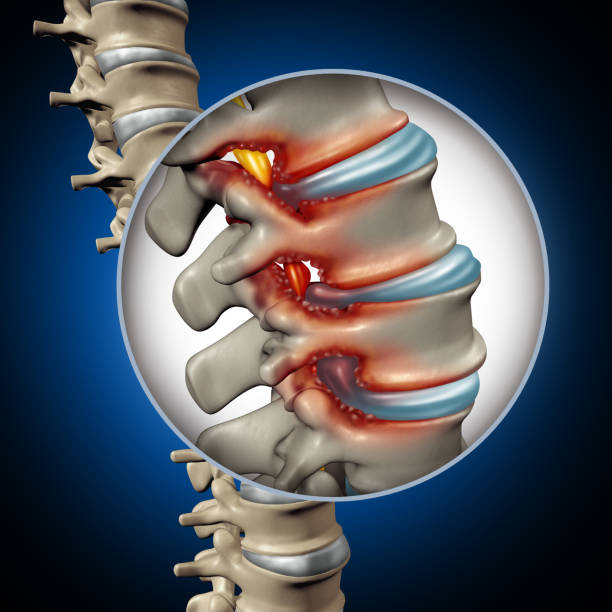
Spinal Stenosis medical concept as a degenerative illness in the human vertebrae causing compressed spine nerves human body disease as a 3D illustration.
How Massage Can Help People Living With Spinal Stenosis
Spinal stenosis is a condition that affects millions of people, especially older adults. It occurs when the spaces within the spine begin to narrow, placing pressure on the spinal cord and surrounding nerves. This pressure can lead to chronic pain, stiffness, numbness, tingling, and reduced mobility that can interfere with everyday life.
While medical treatment plans may include physical therapy, exercise, medications, or in some cases surgery, massage therapy can also play an important supportive role in helping manage symptoms and improving overall quality of life.
What Is Spinal Stenosis?
Spinal stenosis most commonly affects the lower back (lumbar spine) and neck (cervical spine). As the spinal canal narrows over time due to aging, arthritis, disc degeneration, or bone spurs, nerves can become compressed.
Common symptoms include:
- Lower back or neck pain
- Numbness or tingling in the arms or legs
- Muscle weakness
- Cramping in the legs when walking
- Difficulty standing or walking for long periods
- Reduced flexibility and mobility
Symptoms often worsen with prolonged standing and may improve slightly when sitting or bending forward.
How Massage Therapy of Boston May Help
Massage therapy does not “fix” spinal stenosis, but it can be an effective complementary treatment for managing discomfort and improving function.
1. Reduces Muscle Tension
When the spine becomes irritated or compressed, surrounding muscles often tighten in response. Chronic tension in the back, hips, glutes, and neck can create additional discomfort and restriction.
Therapeutic massage helps relax overworked muscles, decrease tightness, and reduce muscular compensation patterns that commonly develop with spinal stenosis.
2. Improves Circulation
Massage therapy increases blood flow to affected muscles and tissues. Better circulation may help reduce inflammation, improve tissue health, and promote relaxation throughout the body.
Improved circulation can also help decrease feelings of stiffness and heaviness in the legs and lower back.
3. Helps Improve Mobility and Flexibility
People with spinal stenosis often move less because movement becomes painful. Over time, this can lead to increased stiffness and reduced range of motion.
Targeted massage techniques combined with gentle stretching can help improve mobility in the hips, low back, and surrounding muscles, making daily activities feel more manageable.
4. Supports Better Posture and Body Mechanics
Pain often causes people to alter the way they stand, walk, or sit. These compensation patterns can place additional strain on muscles and joints.
Massage therapists trained in clinical or therapeutic work can help address muscular imbalances and support better movement patterns that reduce stress on the body.
5. Encourages Relaxation and Stress Relief
Living with chronic pain can take a toll mentally and emotionally. Massage therapy activates the parasympathetic nervous system, helping calm the body and reduce stress hormones.
Many clients report improved sleep, reduced anxiety, and an overall sense of relief after regular massage sessions.
What Type of Massage Is Best for Spinal Stenosis?
Every person’s condition and symptoms are different, so treatment should always be individualized. Depending on the client’s needs and tolerance, beneficial approaches may include:
- Therapeutic massage
- Sports massage
- Myofascial release
- Neuromuscular therapy
- Gentle stretching techniques
- Trigger point therapy
Deep pressure is not always necessary and may not be appropriate for every case. Communication with your massage therapist is essential to ensure treatments remain comfortable and effective.
Important Considerations
Before beginning massage therapy, individuals with spinal stenosis should consult with their healthcare provider, especially if symptoms are severe or worsening.
Massage therapy should be performed by a licensed professional who understands spinal conditions and can adapt treatment appropriately.
Seek immediate medical attention if symptoms include:
- Loss of bladder or bowel control
- Severe weakness
- Sudden numbness
- Rapidly worsening pain
The Bottom Line
Spinal stenosis can make everyday activities challenging, but massage therapy may provide meaningful relief by reducing muscle tension, improving mobility, and helping the body manage chronic pain more effectively.
When combined with proper medical care, movement, and lifestyle support, regular massage therapy can be a valuable part of a long-term wellness plan for individuals living with spinal stenosis. Check out this peer reviewed article on the benefits of massage therapy as it pertains to Spinal Stenosis https://pmc.ncbi.nlm.nih.gov/articles/PMC5017818/